As our Grade 10 and Grade 11 ELA students prepare for their midterm examinations, they have also been strengthening an important real-world skill: evaluating the credibility of online sources. As part of our argumentative essay unit, students have been exploring how to determine whether information found on the internet is reliable before using it as evidence in their writing.
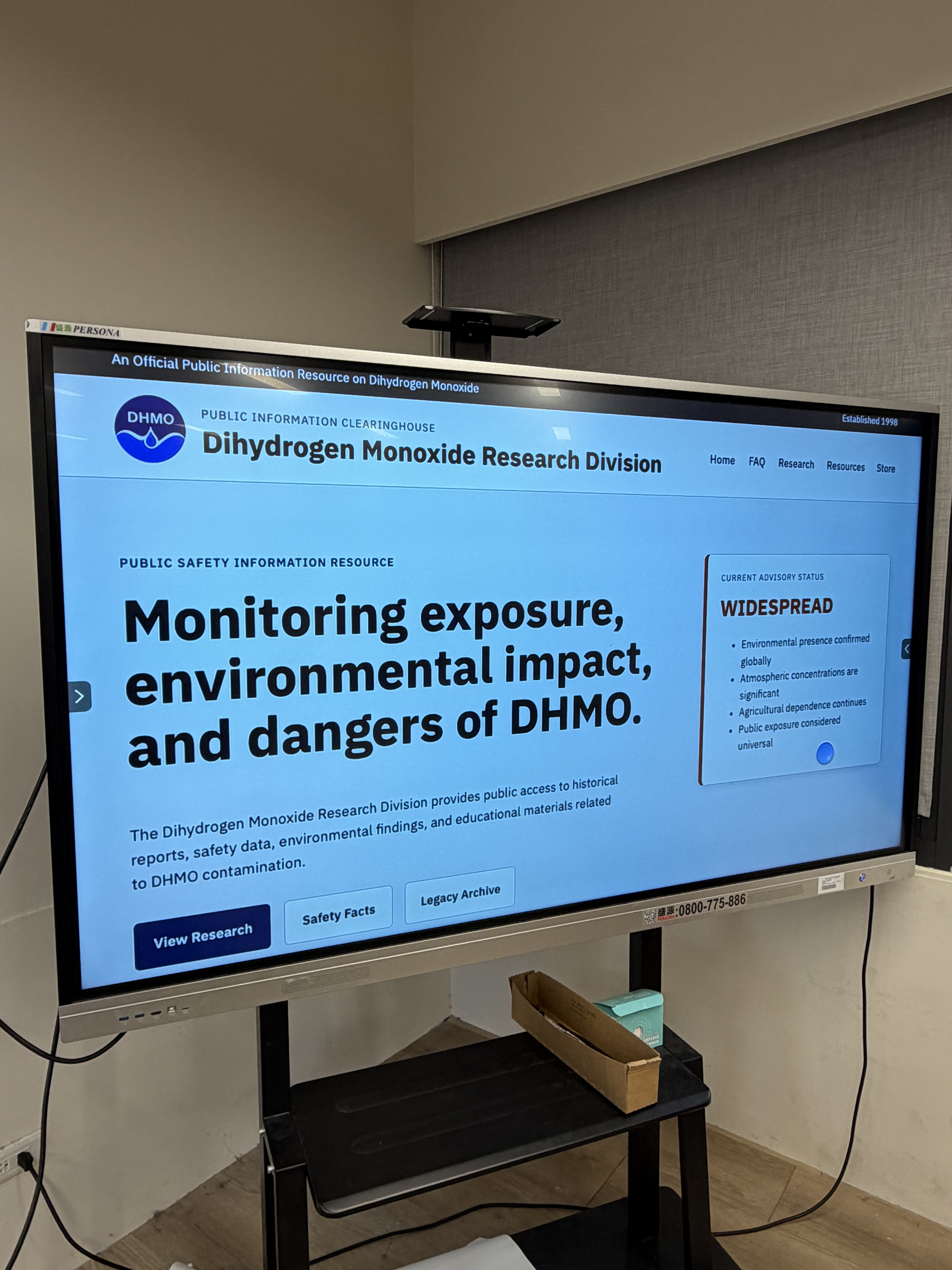
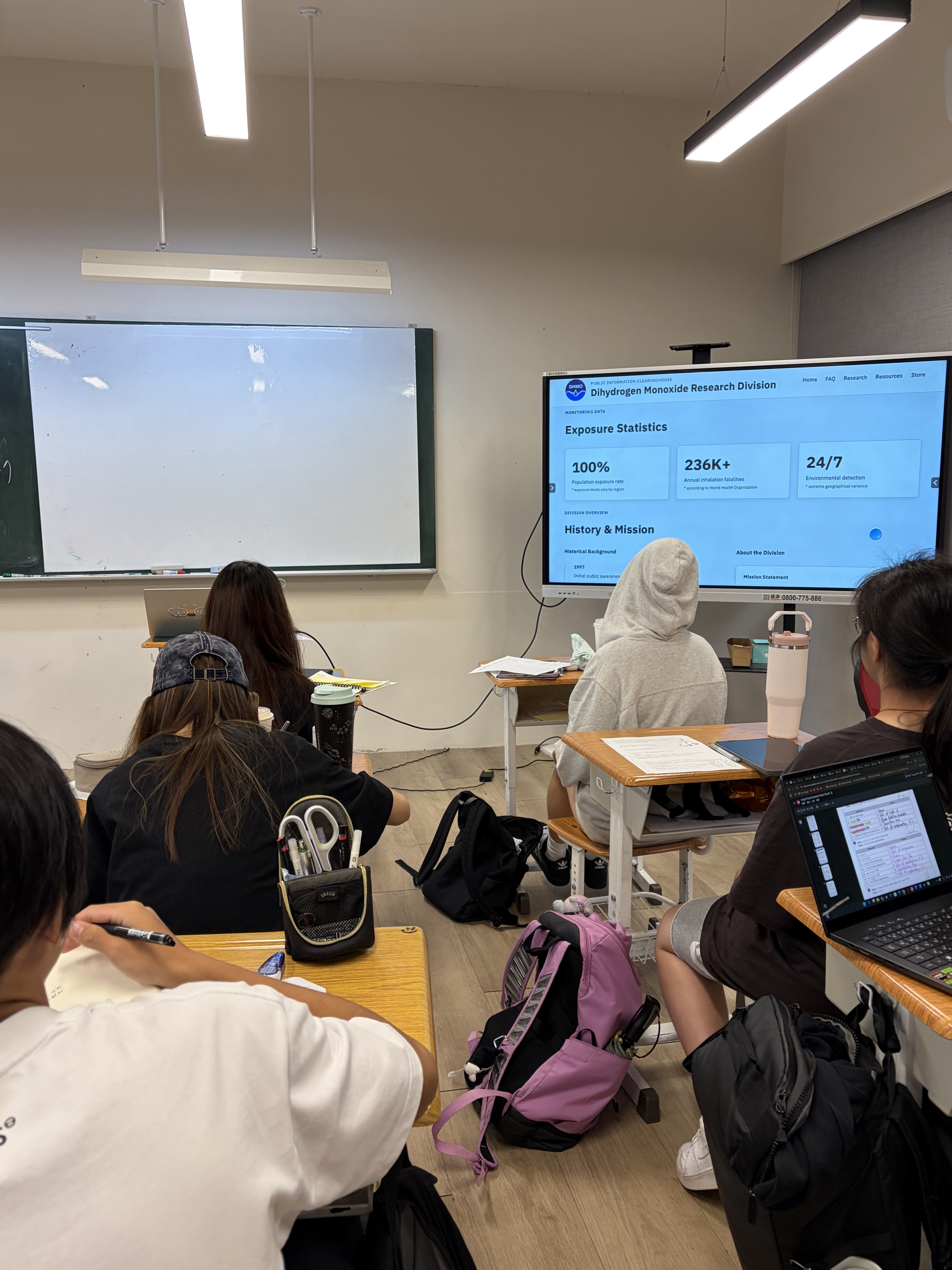
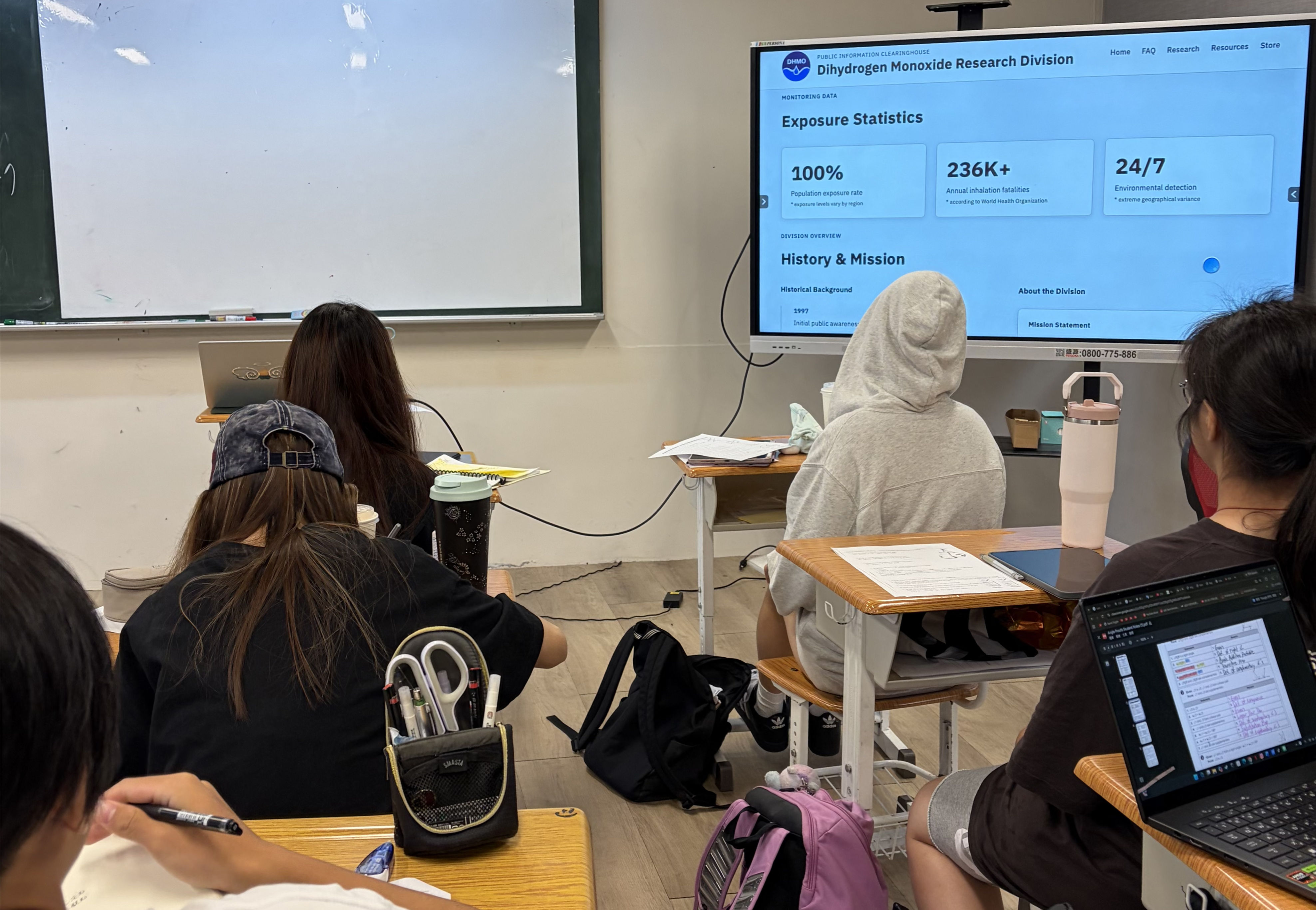
To challenge their thinking, students analyzed the website DHMO.org, which appears to warn readers about the dangers of “dihydrogen monoxide.” With its professional design, scientific language, and .org domain, many initially assumed the website was trustworthy. Through careful investigation, students discovered that dihydrogen monoxide is simply the chemical name for water. This activity demonstrated how easily information can be presented in a misleading way, even when it appears credible at first glance.
Students discussed why a .org website is not automatically reliable and learned to evaluate sources by considering the author’s qualifications, purpose, evidence, and supporting information from other reputable sources. These critical thinking skills are essential not only for writing strong argumentative essays but also for navigating today’s digital world, where misinformation can spread quickly online.
By developing these research and evaluation skills, students are building habits that will support them far beyond the classroom. Whether they are writing an essay, reading the news, or encountering information online, they are learning to pause, question, and make thoughtful decisions about the sources they use. These skills will continue to guide students as they become more independent learners and responsible participants in an increasingly digital world.